Dobcross Village Society Demonstrates Successful Community Shop and Post Office Takeover

As part of WACA’s Learning Visits programme, we’re connecting with established community businesses to gather practical insights and lessons learned. These visits help us understand different models of community ownership and operation, providing valuable guidance as we develop our own local initiatives. Each visit offers a unique perspective on what makes community enterprises thrive.

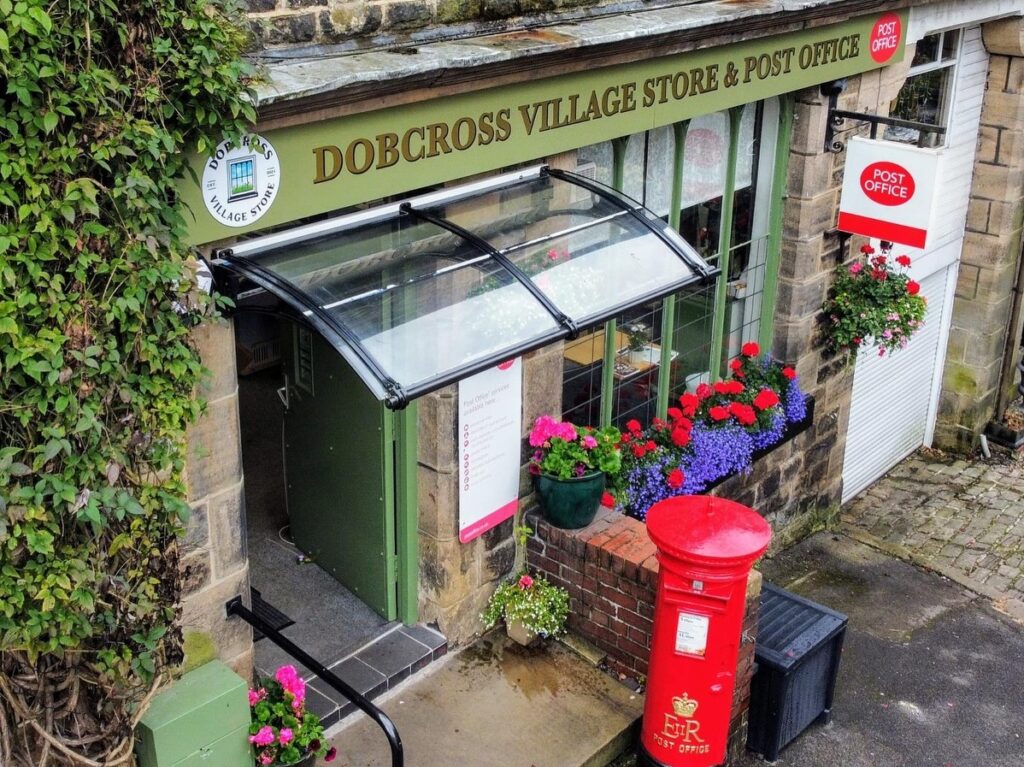
Dobcross Village Store and Post Office

Operating as a Community Benefit Society registered in 2024, this village shop and post office demonstrates how effective community mobilisation can save essential local services. With 124 members recruited from their community of 600 postal addresses, they took over shop operations in April 2024 and the post office in January 2025. The business operates six days a week (Monday-Friday 8:30am-5:30pm, Saturday 8:30am-12:30pm, Sunday 8:30am-11:30am shop only) and is governed by a management committee of twelve with four directors. Their staffing model combines three part-time paid positions (Manager, Assistant Manager, and Post Office Assistant) with thirty volunteers, and they’ve created a ‘cosy corner’ area with tables and drinks machine to encourage social interaction and community cohesion.

Through successful fundraising, they raised £62,000 via community share offer (minimum £250) and secured a £90,000 Community Funding Grant for refurbishment and equipment. Their approach demonstrates how continuity of experienced staff can smooth transitions, with their manager Tim having worked in the shop for eight years before the community takeover.

From our discussions with the Dobcross team, these strategic insights emerged:

Run a publicity campaign using multiple channels (local MP, press, TV, radio, social media)

Find different ‘touch points’ to reach as many people as possible throughout the process

Don’t make membership sound too onerous to potential supporters

Emphasise both social and financial benefits for the wider community

Make use of seasonal events and activities for promotion and engagement

Ensure the manager has fair autonomy whilst maintaining management committee support

When taking over a post office, insist on a Business to Business contract rather than personal guarantors

Their community ownership model has allowed them to improve staff conditions, stock higher quality products, and develop additional community initiatives like a seed bank and plans for herb growing areas and delivery services.

We would like to express our sincere gratitude to Tim Newbold, Louise Stevenson, and Suzanne Wright for sharing their experiences and practical knowledge with us. Their insights into successful community mobilisation and the importance of strong publicity campaigns were particularly valuable. Special thanks also to Julia Sullivan and Catherine from the WACA Learning Visits team for conducting this visit and documenting these important lessons for community shop and post office acquisition.

Earlams Shows How Art and Community Can Create a Thriving Social Enterprise

As part of WACA’s Learning Visits programme, we’re connecting with established community businesses to gather practical insights and lessons learned. These visits help us understand different models of community ownership and operation, providing valuable guidance as we develop our own local initiatives. Each visit offers a unique perspective on what makes community enterprises thrive.

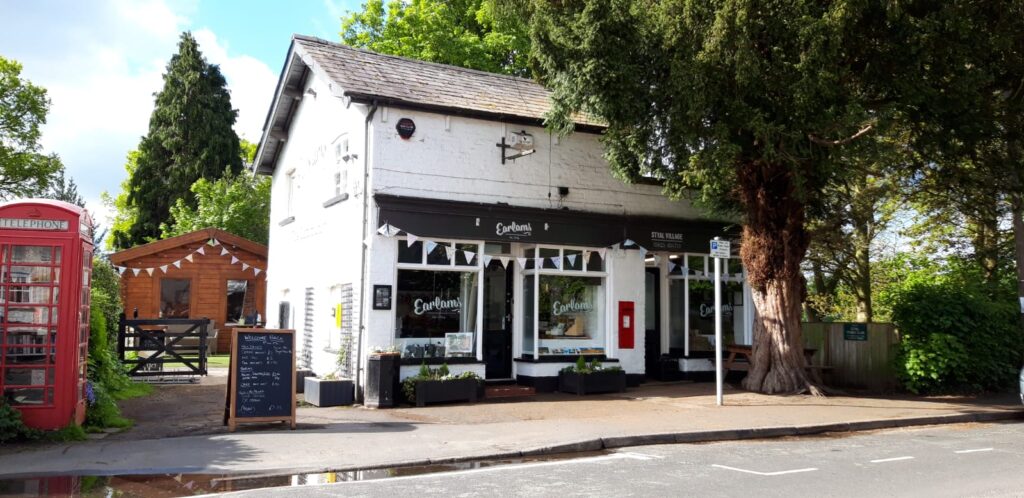
Earlams in Styal, Cheshire

Operating since 2014 as a Community Business Asset, this unique enterprise combines a shop, café and art gallery under one roof. Open from 9am to 3:30pm daily, Earlams operates with three volunteer shifts and is governed by a Management Group of eight people organised into three teams for the shop, café and art gallery respectively. Their staffing model includes a manager working five days a week, a relief manager covering two days, and approximately 40 volunteers who receive comprehensive training in areas such as alcohol licensing, health and safety, hygiene and allergen awareness.

The business has created a welcoming community hub that goes far beyond retail, offering children’s play areas in the garden, French Boules, regular ‘knit and natter’ sessions, and community courses in flower arranging and art. Their commitment to community involvement extends to purchasing a defibrillator and offering training, demonstrating how a community business can serve broader social needs.

From our discussions with the Earlams team, these valuable insights emerged:

Seek accreditation to strengthen funding applications (they achieved the Queen’s Award for Voluntary Service)

Adapt your stock based on what people actually buy, not what they say they want

Maintain profit margins of at least 70% for café operations

Understand that community enterprises require more people to operate than initially anticipated

Their approach shows how combining retail with arts and community activities can create a sustainable business model that truly serves as the heart of a community, with funding secured from diverse sources including Manchester Airport, the Co-op, the Lottery and various arts organisations.

We extend our heartfelt thanks to John Novak for his time and openness in sharing the Earlams journey with us. His practical insights into adapting business operations based on real customer behaviour were particularly valuable. Our appreciation also goes to Ian Alderson and Vanessa Barry from the WACA Learning Visits team for conducting this visit and documenting these important lessons about combining community retail with arts and social activities.

Carrick Greengrocers Shows Focused Community Retail Success

As part of WACA’s Learning Visits programme, we’re connecting with established community businesses to gather practical insights and lessons learned. These visits help us understand different models of community ownership and operation, providing valuable guidance as we develop our own local initiatives. Each visit offers a unique perspective on what makes community enterprises thrive.

Carrick Greengrocers

This Community Benefit Society focuses on providing local produce and creating routes to market for small-scale local growing schemes. Their retail outlet, which recently added online ordering, operates five days a week (Tuesday-Friday 10am-4pm, Saturday 9am-3pm) and is managed by a board of seven directors. Their staffing model combines a part-time manager with volunteers who typically contribute either 2-hour or half-day shifts weekly.

From our webinar with Carrick Greengrocers, we identified these innovative strategies:

A focused retail offering (fruit and vegetables, some locally made pickles)

Innovative community initiatives like their “Friendly Food Club”

Effective use of share capital as a financial buffer in early years

Leveraging local donations of goods, time and money for shop fitting

Their approach shows how a specialist community shop can combine retail success with social purpose, using a rented shop space to reduce initial capital requirements while making healthy food more accessible to all community members.

We would like to thank the Carrick Greengrocers team for sharing their experiences through the informative webinar. Their social enterprise model offers valuable lessons in specialist retail with community purpose. Our thanks also to Helen Plaice from for participating in the webinar and documenting these insights about Carrick’s distinctive approach to community retail.

East Morton Community Shop Shows Grant-Funded Success

As part of WACA’s Learning Visits programme, we’re connecting with established community businesses to gather practical insights and lessons learned. These visits help us understand different models of community ownership and operation, providing valuable guidance as we develop our own local initiatives. Each visit offers a unique perspective on what makes community enterprises thrive.

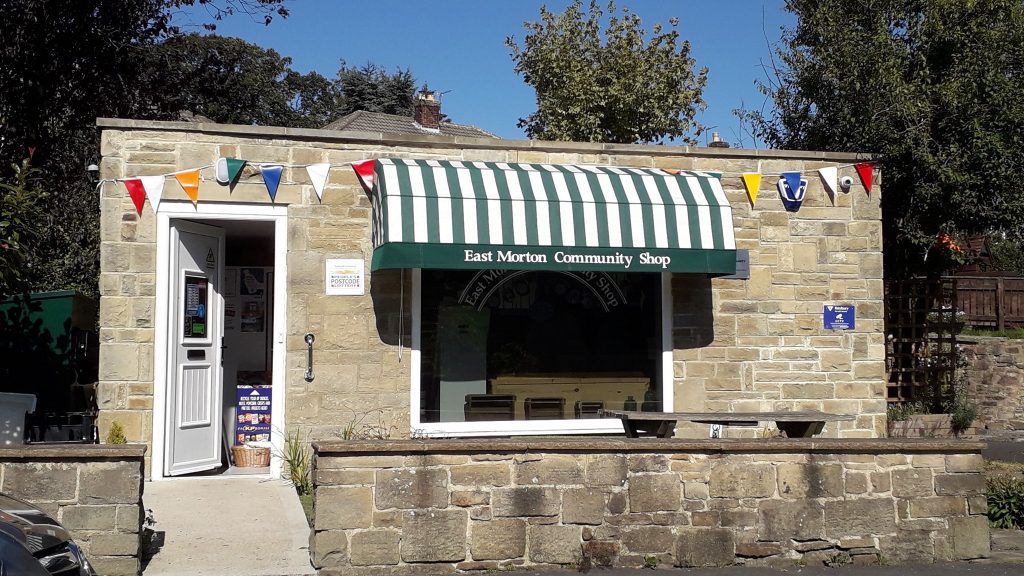
East Morton Community Shop

Operating as a Community Benefit Society with approximately 200 members recruited by word of mouth, this shop runs six days a week (Monday-Thursday 9am-5:30pm, Friday 9am-7pm, Saturday 9am-12:30pm) – hours carefully balanced to match volunteer availability. The shop is managed by a voluntary Management Committee of six members with a sub-committee of seven, and is entirely volunteer-run. Their 40-50 volunteers perform various roles beyond shop work, including back-office tasks, rota management, buying, and sourcing stock.

In our conversation with East Morton representatives, these important financial and operational points emerged:

Clearly communicate the community benefit and what would be lost without the asset

Be aware that all operational costs are increasing (utilities, waste management, insurance)

Consider capacity limitations when setting pricing to cover increasing costs

The East Morton model demonstrates how a community shop can operate successfully with an all-volunteer workforce, even offering work experience opportunities for Duke of Edinburgh Award participants on Saturday mornings.

We extend our sincere thanks to Linda Will for welcoming us to East Morton Community Shop and sharing her insights into managing an all-volunteer operation. Her practical knowledge of balancing volunteer availability with opening hours was particularly helpful. Special thanks to Cathy Wilcock and Vanessa Barry from the WACA Learning Visits team for conducting this visit and compiling such an informative report.

Hesket Newmarket Shows Community Resilience in Shop Development

As part of WACA’s Learning Visits programme, we’re connecting with established community businesses to gather practical insights and lessons learned. These visits help us understand different models of community ownership and operation, providing valuable guidance as we develop our own local initiatives. Each visit offers a unique perspective on what makes community enterprises thrive.

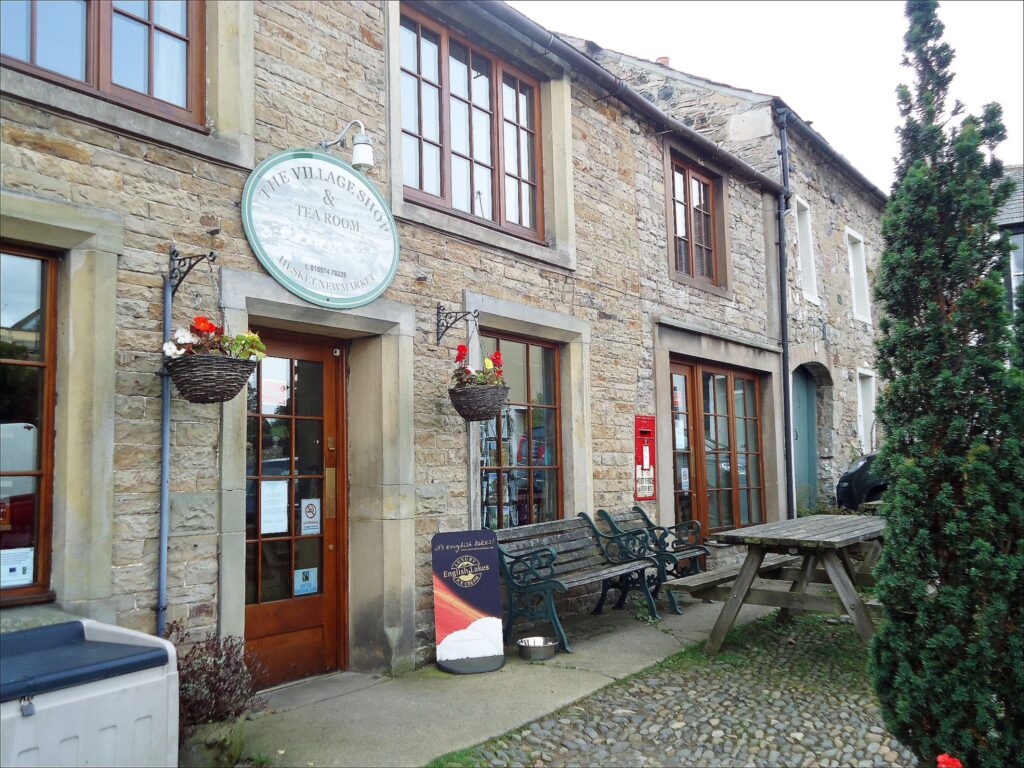
Hesket Newmarket Shop and Post Office

This Community Benefit Society, established within the last twelve months, demonstrates remarkable community perseverance. With over 300 members recruited locally through parish magazine advertisements, a website and public meetings, they raised substantial funds through share offers and fundraising activities despite a major funding disappointment. Their planned operational model includes two paid part-time managers who will overlap shifts, supplemented by 50 volunteers, and they intend to maintain the current trading hours initially (8am-5:30pm, 5.5 days) with hopes to expand to seven days in the future.

The Hesket Newmarket experience offered these strategic recommendations
Regular public meetings are essential to keep people informed

Consider multiple funding sources rather than relying on a single source

Communication is vital

Their model of community ownership shows how determination and adaptability can overcome significant setbacks, with management team members taking on postmaster responsibilities and volunteers offering to work in all areas of the business.

We are grateful to Philippa Groves for her time and willingness to share the Hesket Newmarket journey with us, despite the project still being in development. Her candid insights into navigating funding challenges were particularly valuable. Many thanks also to Vanessa Barry from the WACA Learning Visits team for conducting this phone interview and documenting these important lessons.

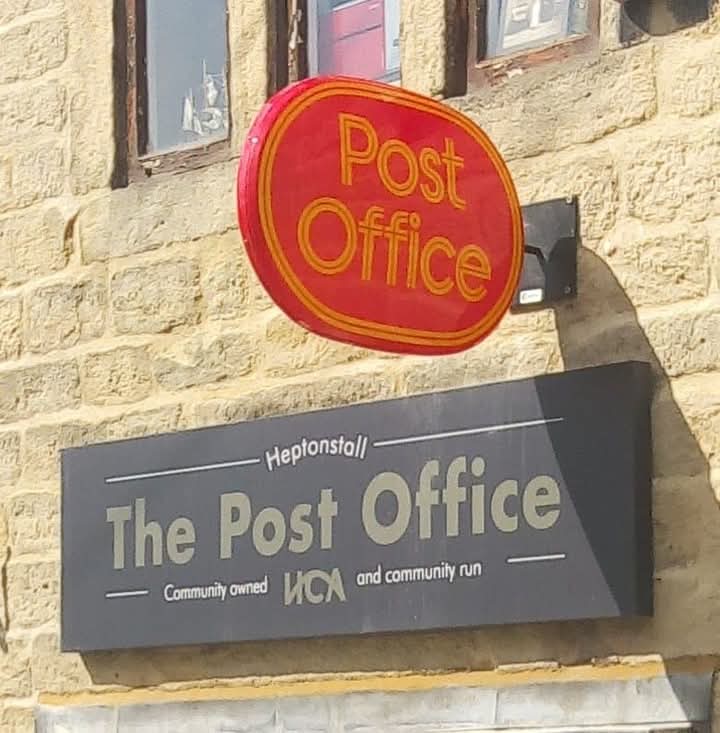
Heptonstall Post Office and Shop

Operating as a Community Benefit Society established in 2021, this village shop and post office demonstrates how community ownership can revitalise essential local services. The shop operates six days a week (9am-1pm, 2pm-5pm Monday to Friday, 9am-5pm Saturday) with potential Sunday morning openings, and is governed by a board of nine directors. Their staffing combines a full-time shop manager with part-time paid staff and 52 volunteers who perform various roles including customer service, stock ordering, collection, and cleaning.

Through our conversations with the Heptonstall team, we gathered these key lessons for success:

Business turnover has increased threefold since community takeover

Having an EPOS till system and using it to its full capacity is valuable

The importance of hiring compassionate staff who offer kindness and support to customers

Consider supplier choices carefully

Their community ownership model has allowed them to improve stock with fresh produce, better bread, alcohol, and local specialties, based on extensive market research of community needs.

We would like to thank Tim Nixon, Shop and Post Office Manager, for his time and openness in sharing the Heptonstall journey with us. His practical insights into day-to-day operations were particularly illuminating. Our appreciation also goes to Jane Summers, Ashleigh Cooper, and Jean Kessler from the WACA Learning Visits team for conducting this visit and documenting these valuable experiences.

Midgeley Community Shop Demonstrates Volunteer-Led Success

As part of WACA’s Learning Visits programme, we’re connecting with established community businesses to gather practical insights and lessons learned. These visits help us understand different models of community ownership and operation, providing valuable guidance as we develop our own local initiatives. Each visit offers a unique perspective on what makes community enterprises thrive.

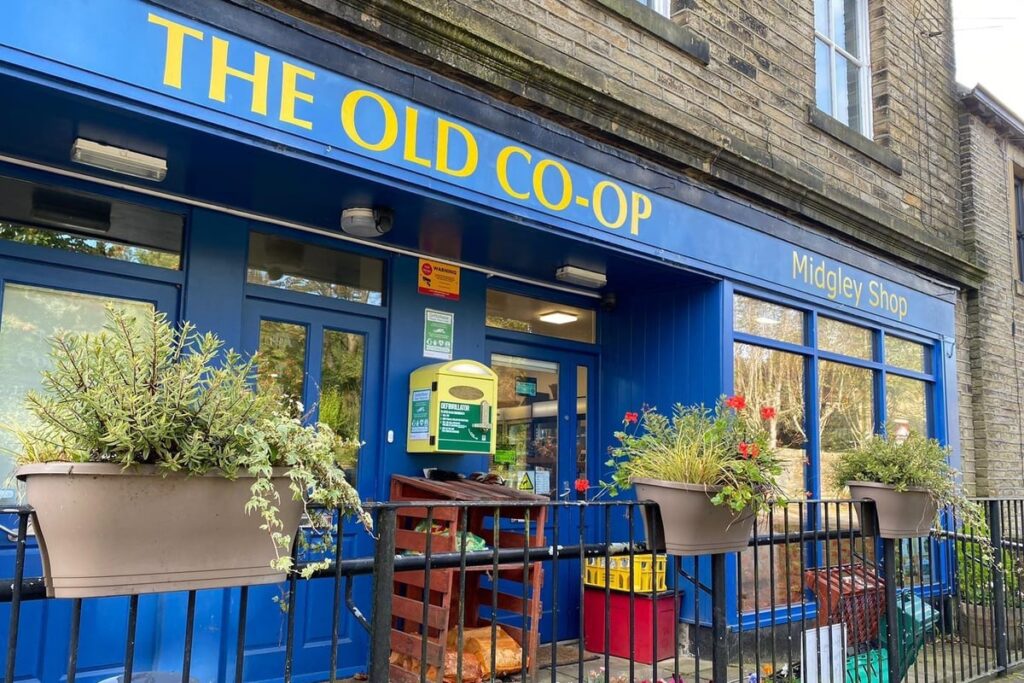
Midgeley Community Shop and Meeting Room

This entirely volunteer-run shop operates five days a week, closing on Tuesdays with reduced weekend hours (Monday, Wednesday, Thursday, Friday 9am-7pm, Saturday and Sunday 9am-1pm). The shop is supported by approximately 40 volunteers working across shop operations, community room management and back-office functions. Their management structure consists of a Management Group with a sub-committee, and they successfully raised funds through a community share offer and various grants.

During our conversations, the Midgeley representatives offered these practical pieces of advice:

Be aware of the need for start-up cash flow

Consider income potential from property assets

Establish separate management groups for different aspects of the business

Plan carefully for alcohol licensing requirements

The Midgeley experience shows how a committed volunteer workforce can successfully manage community retail operations, with flexibility built in for weekend events in the village.

We extend our warmest thanks to Sally and Jean from Midgeley for joining our sub-group meeting and sharing their wealth of experience so generously. Their practical insights into running a volunteer-led community shop were incredibly helpful. Special thanks also to Vanessa Barry from the WACA Learning Visits team for facilitating this valuable knowledge exchange.

Trawden Forest Shows How Communities Can Save Multiple Local Assets

As part of WACA’s Learning Visits programme, we’re connecting with established community businesses to gather practical insights and lessons learned. These visits help us understand different models of community ownership and operation, providing valuable guidance as we develop our own local initiatives. Each visit offers a unique perspective on what makes community enterprises thrive.

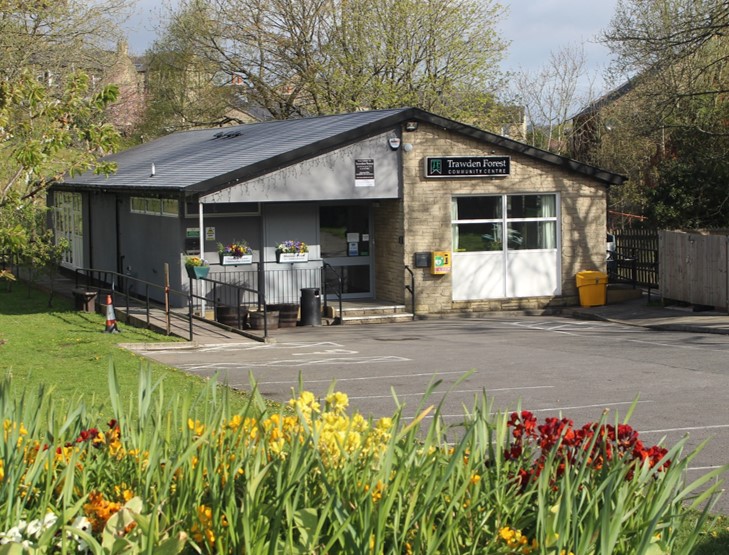
Trawden Forest Community Centre, Library, Shop and Pub

This impressive multi-faceted community enterprise encompasses several key village assets. The Community Centre, Library and Shop are owned by a Charitable Incorporated Organisation, while the pub operates as a Community Benefit Organisation with 400 shareholders. Their shop operates Monday to Saturday (8am-6pm) and Sunday (8:30am-4pm), hours carefully considered to be manageable for their volunteer workforce.


Their staffing model combines two nearly full-time staff (a Volunteer Co-ordinator who organises rotas and recruitment, and a Community Support Worker who visits vulnerable residents and delivers groceries in their community-owned electric van) with 152 volunteers, of whom 80-90 work in the shop with specific responsibilities for different departments like fruit and vegetables, butchery, bakery, plants, and refillables.


From our discussions with the Trawden Forest team, we gleaned these insightful recommendations:
Consider what kind of management style suits your community
Find a unique selling point and involve media when possible
Include future plans in the business plan
Think carefully about minimum share amounts


Their community ownership model has created a sustainable network of interconnected services, with the pub providing food for their Friendship Group sessions and volunteers taking ownership of specific shop areas.

We would like to express our sincere thanks to Dave Webber for taking the time to share their experiences and knowledge with us. His candid insights into the operations of multiple community assets were extremely valuable. Thank you also to Vanessa Barry from the WACA Learning Visits team for conducting this visit and compiling such a comprehensive report.

WACA successfully bids for £8000 grant from Coops UK

WACA has successfully bid for a grant from the Co-operatives UK Community Shares Development Fund.  The grant totals £8,000 and will pay for consultants to advise on the Business Plan and the Share Offer, and enable us to apply for the Community Shares Standard Mark, the kite mark for share offers. 

Cooperatives UK would not have awarded this grant unless they thought our proposed purchase of the Post Office and cafe for the community was a good way to go, so we are very pleased.

Heart Centre Leeds Shows How Community Businesses Thrive

As part of WACA’s Learning Visits programme, we’re connecting with established community businesses to gather practical insights and lessons learned. These visits help us understand different models of community ownership and operation, providing valuable guidance as we develop our own local initiatives. Each visit offers a unique perspective on what makes community enterprises thrive.


Heart Centre in Headingley, Leeds

Operating since 2011 as a subsidiary of Headingley Development Trust (a community benefit society founded in 2005), this vibrant community hub offers an impressive range of services: a café, film screenings, live music events, a shop, games club, room hire, business co-working spaces, acupuncture, yoga, massage, meditation sessions, soft play areas, and an arts and crafts market. They’re open from 9am to 9pm six days a week (closed Sundays), allowing them to serve breakfast, lunch and host evening entertainment with their licensed bar. Their staffing model combines full-time staff, casual staff, and volunteers who work in reception, maintain gardens, and support film and music events.


The Heart Centre shared several important considerations with us:
Focus on financial sustainability (“make the business wash its own face”)
Engage the community meaningfully
Maintain complete financial transparency
Ensure knowledge isn’t concentrated with one person


Their inclusive approach has organically created a space that supports mental health, fitness, and cross-generational activities, and they’ve built a genuinely community-focused enterprise that attracts support naturally.

We’d like to extend our gratitude to Pamela Reynell, the Centre Manager, and the entire Heart Centre team for their warm welcome and generosity in sharing their experiences and insights. Their willingness to discuss both successes and challenges provided invaluable guidance for our own community initiatives. And thank-you to Ian and Cathy from the WACA Learning Visits team for making the visit and providing such valuable feedback.